
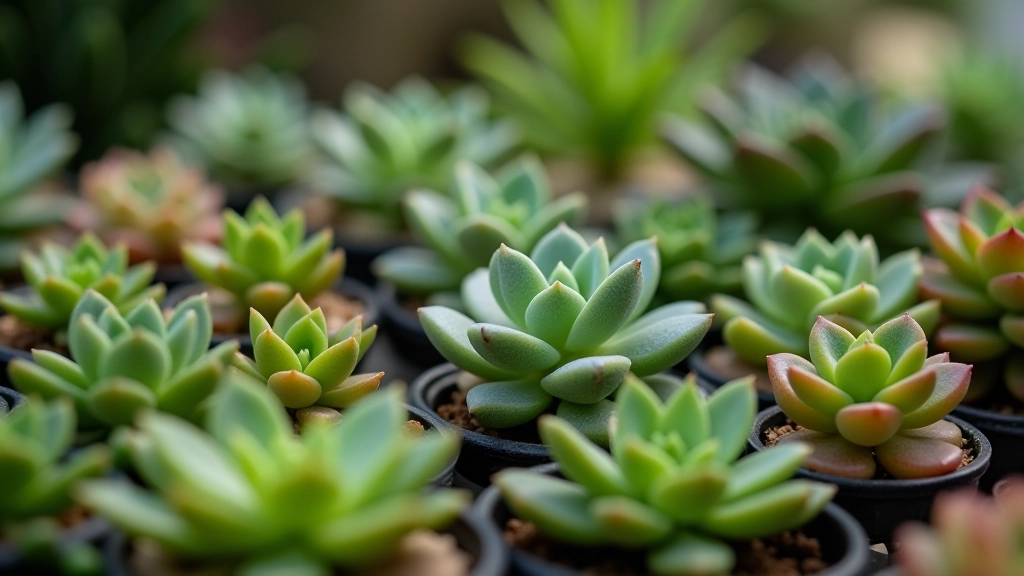
Choosing the Right Succulent for Your Terrarium
Discover which succulents thrive in closed glass environments and how different varieties impact your design.
Build a beautiful succulent terrarium from scratch. Learn layering techniques, plant placement, and finishing touches for professional results.
Editorial Team
Written by the Pärnu Editorial Team, focused on practical guidance for succulent care and thoughtful terrarium gifts.
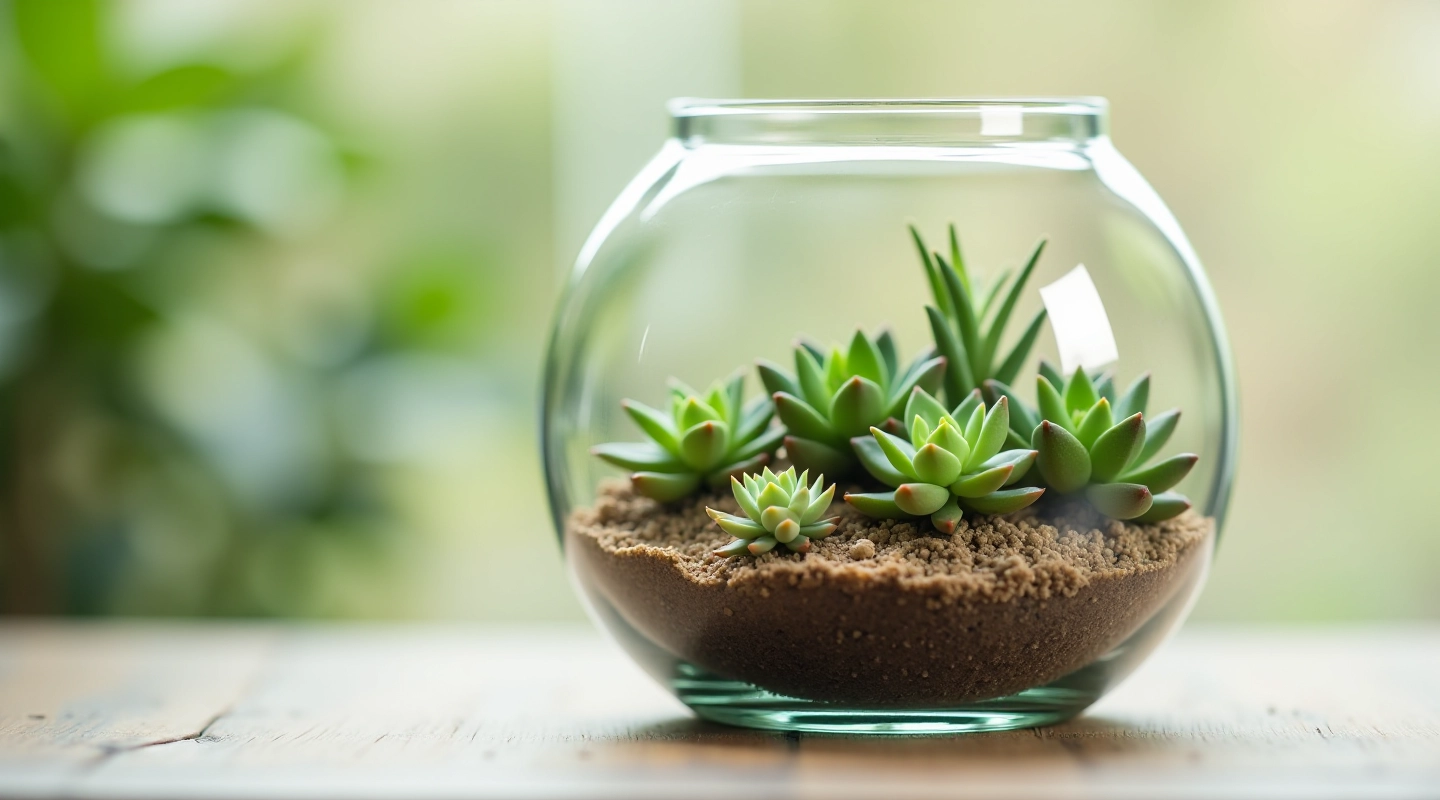
Creating a terrarium isn't just a craft project — it's actually pretty straightforward once you understand the basics. You'll get a living piece of art that grows right in front of you. Plus, you'll know exactly what went into it. No mystery ingredients, no surprises.
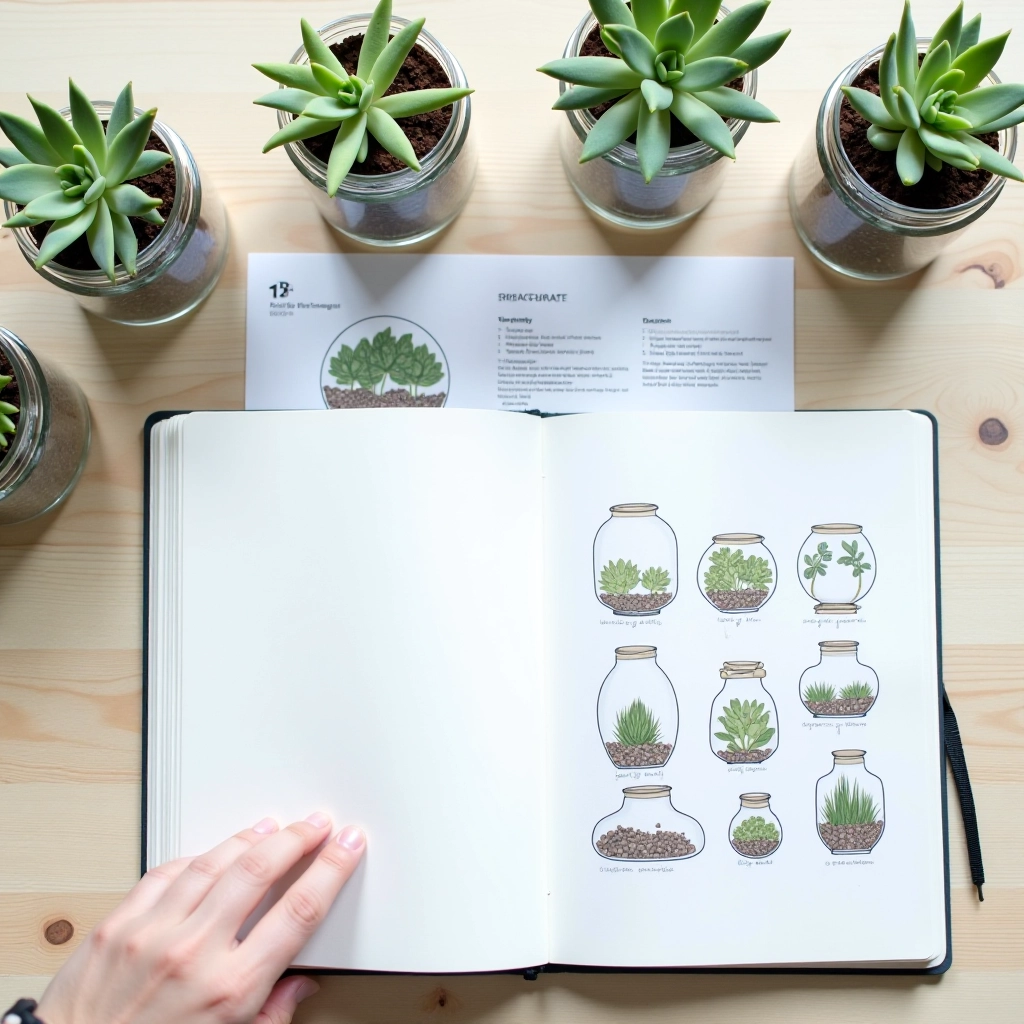
The beauty of building your own is that you control every detail. You can choose the glass container, pick your favorite succulents, arrange them exactly how you want. And here's the thing: it's cheaper than buying a pre-made terrarium, and honestly, way more rewarding when friends ask where you got it.
Don't overthink this part. You won't need anything fancy. Most of these items you probably already have at home or can pick up cheaply.
Any clear glass vessel works — mason jars, terrariums, even vintage apothecary jars. The size depends on how many plants you want. A 6-8 inch diameter container gives you plenty of room to work with.
These create the drainage layer. You'll need about 1-1.5 inches of pebbles at the bottom. Aquarium pebbles work great, or you can use decorative stones from your garden.
A thin layer of charcoal filters the water and prevents mold. You can find this at garden centers or pet stores. Just a handful is enough.
Use a well-draining cactus or succulent mix. Regular potting soil holds too much moisture and causes root rot. You'll need 2-3 inches depending on your container size.
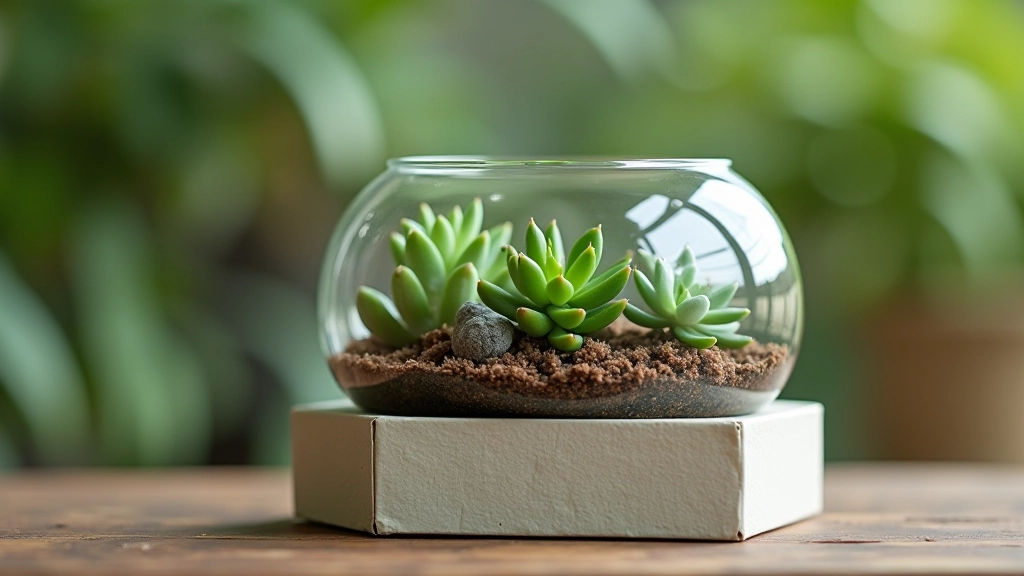
Pick 3-5 plants with different heights and textures. Echeveria, Jade, and Aloe are reliable choices. Avoid fast-growing varieties that'll outgrow the space.
Small stones, moss, or even a tiny figurine add personality. Keep it minimal though — you want the plants to be the stars.
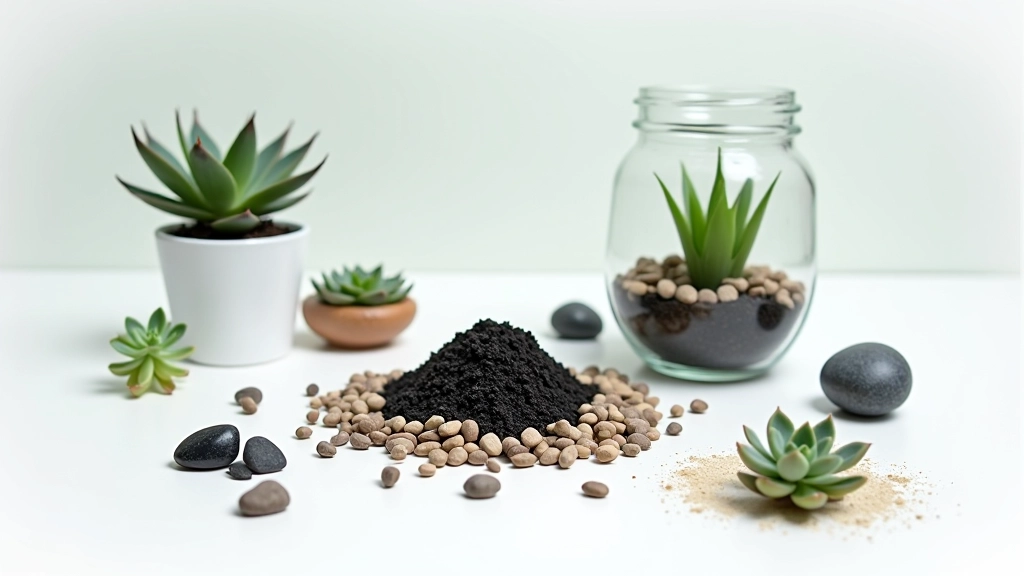
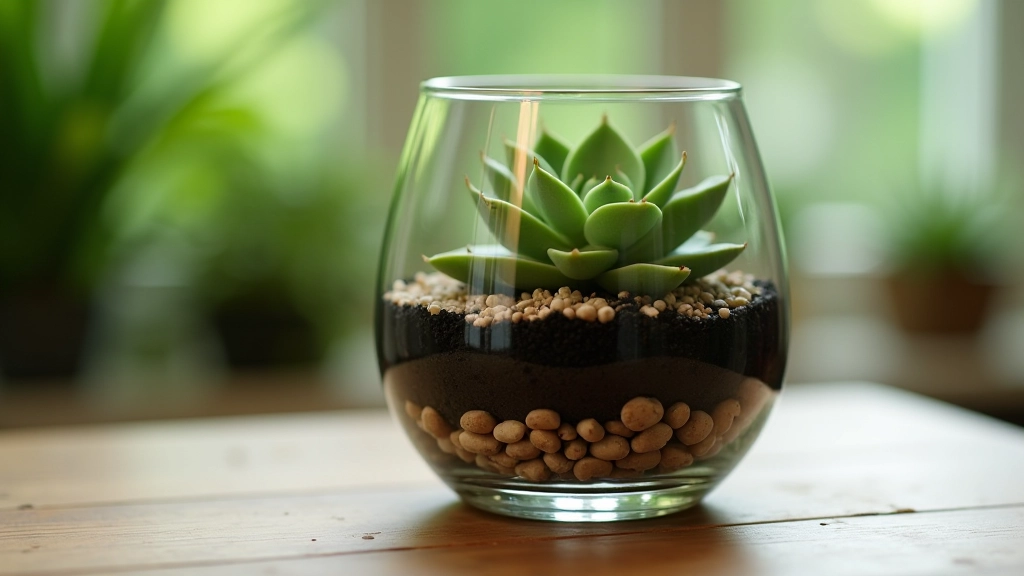
This is where the magic happens. Each layer has a specific purpose. Get this right and your terrarium stays healthy for years.
Pour about 1-1.5 inches of pebbles into the bottom of your container. This creates space for water to drain away from the roots. Tilt and shake the container to settle them evenly.
Sprinkle a thin layer of charcoal over the pebbles. You don't need much — just enough to cover the pebbles lightly. This filters impurities and prevents that stale smell from developing.
Add 2-3 inches of succulent soil. This is where your plants' roots'll live. Don't pack it down too hard — let it stay slightly loose so roots can penetrate easily.
Now comes the creative part. You're building a miniature landscape. Think about height, color, and how the plants'll grow over time.
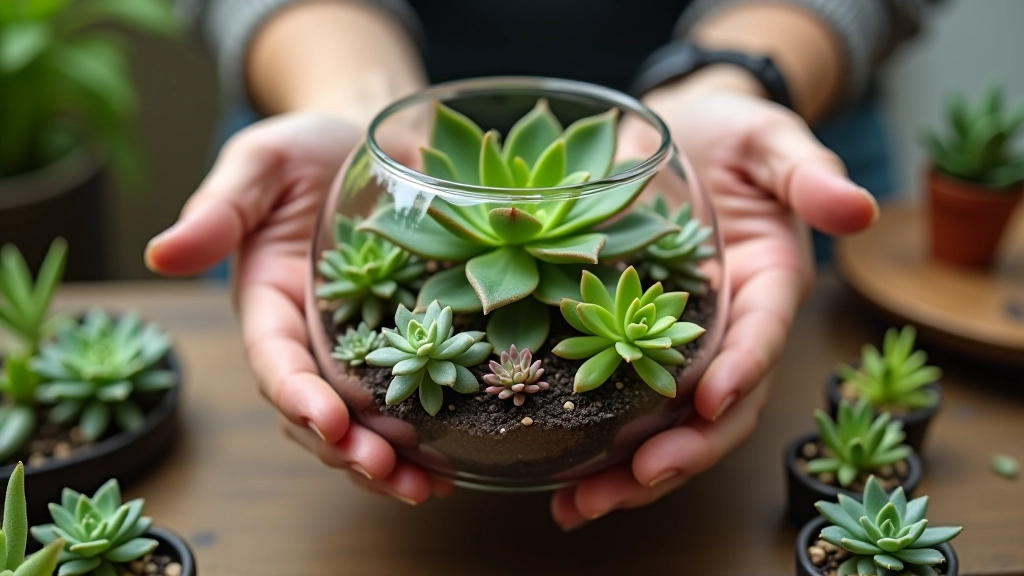
Place taller plants toward the back and shorter ones in front. This creates visual depth and makes sure every plant gets light. A good ratio is one focal plant (tallest) with 2-4 smaller plants around it.
Leave space between plants — they'll grow. Crowding them causes air circulation problems and increases disease risk. About 1-2 inches between plants is ideal.
Mix colors and leaf textures. Combine rosette-shaped plants with trailing varieties or spiky ones. The contrast makes the whole arrangement more interesting to look at.
Succulents are delicate. Handle them by the base of the plant, not the leaves. Remove excess soil from roots before planting. Work carefully — leaves bruise easily and won't recover.
This guide provides general information about terrarium creation based on common practices. Plant care can vary based on your specific climate, container type, and plant varieties. Every terrarium is unique. Monitor your plants regularly and adjust watering frequency based on what you observe. If you're new to succulents, start with hardy varieties like Echeveria or Jade plants — they're forgiving and help you learn the basics.
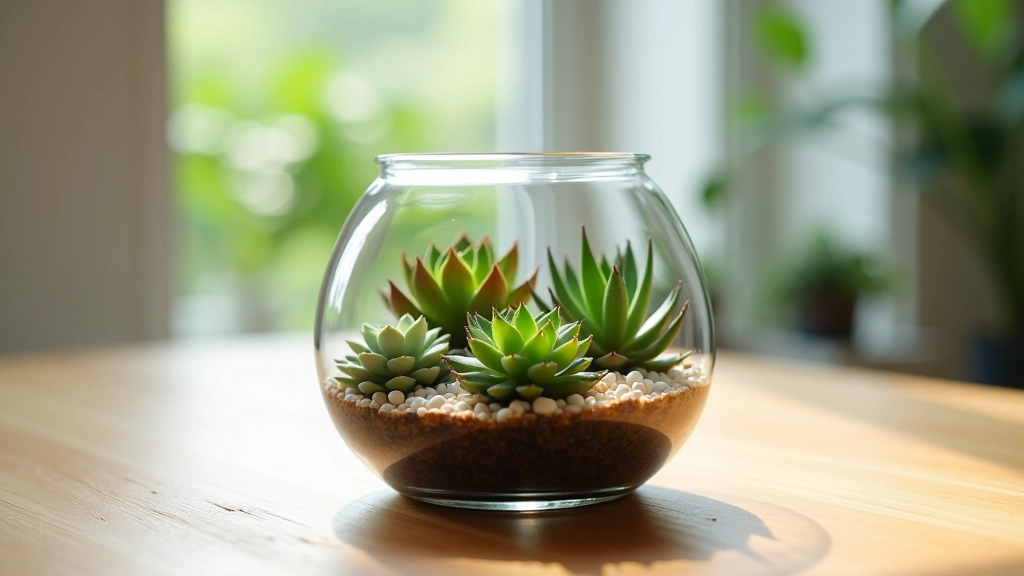
You're almost done. These final steps make the difference between a nice terrarium and one that actually thrives.
Place a few decorative stones or moss around the plants. Keep it simple — the plants should be the focus. Avoid anything that'll decompose or trap moisture.
Water lightly with a spray bottle. The soil should be slightly moist, not soggy. If you're using a closed terrarium, you'll need very little water — the moisture recycles. Open terrariums need watering every 2-3 weeks depending on your climate.
Place your terrarium in bright, indirect light. A windowsill with filtered light is perfect. Direct sun can overheat a closed terrarium and scorch the plants. Avoid dark corners — succulents need light to stay compact and colorful.
Watch your terrarium for the first week. Is the soil drying out quickly or staying wet? Are the plants looking healthy or stressed? These observations'll guide your care routine going forward. Don't worry if things aren't perfect right away — it takes a few weeks to find the rhythm.
Creating a terrarium is genuinely satisfying. You'll watch your plants settle in, grow, and create a living ecosystem right in your home. The first few weeks matter most — that's when your terrarium establishes its rhythm. After that, maintenance is minimal. Just the occasional watering and maybe a gentle cleaning of the glass.
And here's the best part: you've created something unique. No two terrariums are exactly alike. When you nail this, you'll want to build another one. Maybe gift one to someone who'd appreciate it. You've learned the fundamentals, and from here, you can experiment with different plants, containers, and styles.
Want to explore more about succulent care or find the perfect container?
Browse Our Collection
Discover which succulents thrive in closed glass environments and how different varieties impact your design.
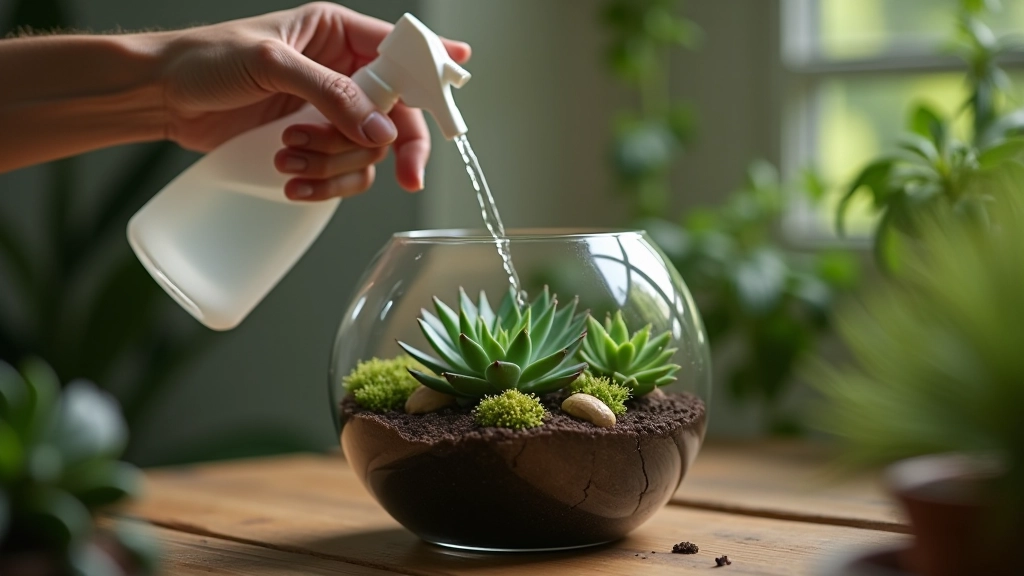
Learn the balance between moisture and drainage. We cover seasonal watering schedules and troubleshooting common issues.
Find the ideal handmade terrarium gift for birthdays, housewarmings, and holiday celebrations.